You can make a real, positive difference for the Dahlgren Railroad Heritage Trail by taking care of it, respecting the rules and regulations, and being a responsible trail user. Using the principles of Leave No Trace, here's what you can do to make sure you have a great time on the trail while also maintaining it for others to enjoy.
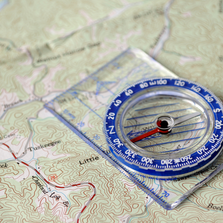
Plan Ahead & Prepare
Things to consider when planning a trip to the trail:
Things to consider when planning a trip to the trail:
- Make a game plan - know how to you plan to get there, how far you plan to travel on the trail, the weather forecast, and about how long you'll be gone. Be sure to tell someone your plan and what they should do if you don't return on time.
- Get to know the area - learn the names of the roads you took to get to the trail, consult a map ahead of time, and if the cell service drops out: pay attention to trail mile markers and remember from which direction/parking area you came.
- Bring water and snacks for everyone in the group - you never when you might need them!
- Choose your clothing for comfort - you could ruin your trip with sunburn, blisters, or chaffing caused by poor shoe or clothing choices, or get soaking wet because you left your rain jacket at home!
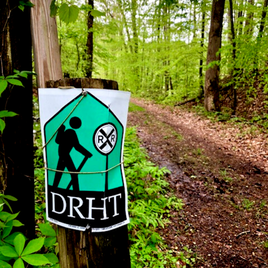
Travel and Camp on Durable Surfaces
The goal of travel in the outdoors is to move through natural areas while avoiding damage to the land or waterways. Damage occurs when surface vegetation or communities of organisms are trampled beyond recovery. The resulting barren area leads to soil erosion and the development of undesirable trails.
The goal of travel in the outdoors is to move through natural areas while avoiding damage to the land or waterways. Damage occurs when surface vegetation or communities of organisms are trampled beyond recovery. The resulting barren area leads to soil erosion and the development of undesirable trails.
- Stay on the established trail, plain and simple!
- If you're in a larger group, walk the trail in a single/double file line - please don't spread out to the point where group members need to walk upon the edges of the trail.
- Do not walk in or disturb marshlands, ponds, streams, or other waterways.
- If you've come to camp, set up in established camping areas only.
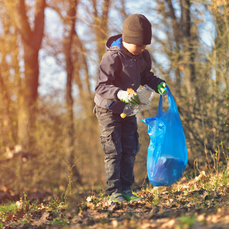
Dispose of Waste Properly
Consider the impacts that you leave behind, which will undoubtedly affect other people, water, and wildlife.
Consider the impacts that you leave behind, which will undoubtedly affect other people, water, and wildlife.
- “Pack it in, Pack it out” is a familiar mantra to seasoned outdoor lovers. Any user of recreation lands has a responsibility to clean up before he or she leaves. Pack out all trash and garbage - don't leave it for wildlife or another person to find.
- Proper disposal of human waste is important to avoid pollution of water sources, avoid the negative implications of someone else finding it, minimize the possibility of spreading disease, and maximize the rate of decomposition. If you must go to the bathroom while on the trail, get about 60-70 paces off the trail, and follow these guidelines.
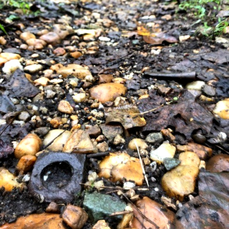
Leave What You Find
Allow others a sense of discovery by leaving rocks, plants, historic railroad artifacts, and other objects of interest as you find them. Those items have more power and meaning when they are in their natural home (rather than on your mantle or in a desk drawer).
Allow others a sense of discovery by leaving rocks, plants, historic railroad artifacts, and other objects of interest as you find them. Those items have more power and meaning when they are in their natural home (rather than on your mantle or in a desk drawer).
- Do not bend, break, saw, or carve into trees.
- Do not move, gather, or sweep the trail of leaves, pine needles, or stones.
- If you find pieces of the historic rail line, please leave them on the trail - don't take them home.
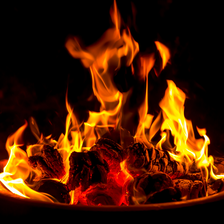
Minimize Campfire Impacts
The use of campfires, once a necessity for cooking and warmth, is steeped in history and tradition. Some people would not think of camping without a campfire. Campfire building is also an important skill for every camper. Yet, the natural appearance of many areas has been degraded by the overuse of fires and an increasing demand for firewood.
The use of campfires, once a necessity for cooking and warmth, is steeped in history and tradition. Some people would not think of camping without a campfire. Campfire building is also an important skill for every camper. Yet, the natural appearance of many areas has been degraded by the overuse of fires and an increasing demand for firewood.
- The only permitted place to build a fire is within the existing fire rings on the trail, in the established campsites. Use the fire covers to keep sparks and hot ashes from escaping the fire pit.
- If you are able, bring your own firewood - do not cut down trail-side trees or wander off the trail into the woods searching for firewood.
- Keep the fire small and burning only for the time you are using it.
- Allow wood to burn completely to ash.
- Put out fires with water, not dirt.
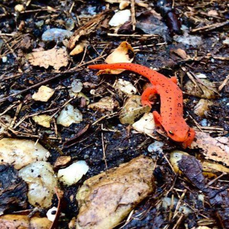
Respect Wildlife
Learn about the trail's wildlife through quiet observation. Do not disturb wildlife or plants just for a “better look” or a better photo.
Learn about the trail's wildlife through quiet observation. Do not disturb wildlife or plants just for a “better look” or a better photo.
- Observe wildlife from a distance so they are not scared or forced to flee.
- Do not touch, get close to, feed or pick up wild animals.
- Considerate trail users observe wildlife from afar, give animals a wide berth, store food securely and keep garbage and food scraps away from animals.
- Remember that you are a visitor to their home.
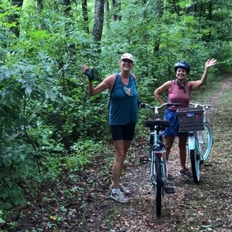
Be Considerate of Other Visitors
One of the most important components of outdoor ethics is to maintain courtesy toward other visitors. It helps everyone enjoy their outdoor experience. Many people come to the outdoors to listen to nature. Excessive noise, uncontrolled pets, and damaged surroundings take away from the natural appeal of the trail.
One of the most important components of outdoor ethics is to maintain courtesy toward other visitors. It helps everyone enjoy their outdoor experience. Many people come to the outdoors to listen to nature. Excessive noise, uncontrolled pets, and damaged surroundings take away from the natural appeal of the trail.
- Bikers must yield to walkers, runners, and hikers.
- Before passing others, politely announce your presence and proceed with caution.
- Keep all pets on a leash at all times, and pick up all animal waste.
- If you wish to listen to music while you travel on the trail, please use ear buds instead of external speakers.
- Motorized vehicles are not allowed on the trail.